
Cultural Routes – Digital Documentation and 3D Reconstruction of Archaeological Sites and Monuments
The research project is implemented through a collaboration between the Hellenic Ministry of Culture and the Technical University of Crete, with the participation of the Digital Media Lab (DMLab) of the School of Architecture.
The project focuses on the creation of three-dimensional digital representations, including 3D documentation and reconstruction, of selected archaeological sites, historical monuments, and architectural complexes located along five significant cultural routes across Greece. Its primary objective is to support the documentation, preservation, interpretation, and promotion of cultural heritage through advanced digital technologies, three-dimensional modelling, and virtual reconstruction.
The project encompasses five cultural routes:
- Cultural Egnatia Road, highlighting selected historical monuments and archaeological sites along one of the most significant historical routes connecting different regions of Greece.
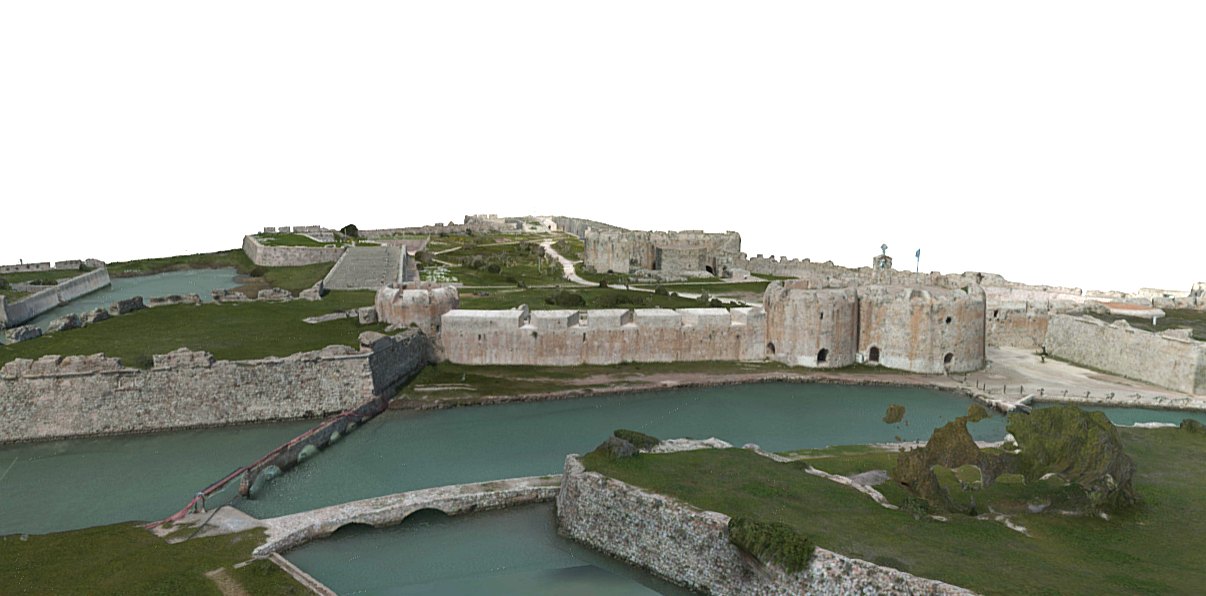
- Network of Castles: From the Byzantine Period to the Ottoman Era, focusing on the architectural and historical evolution of fortifications and defensive structures across different historical periods.
- The Road to the West: From Homer to Cervantes, exploring castles, fortifications, and historical sites associated with the cultural and historical connections between Greece and the Western Mediterranean.
- Monumental Works of Men and Cyclopes during the Mycenaean Period, presenting important examples of Mycenaean architecture, monumental construction, and archaeological heritage.
- In the Footsteps of Apostle Paul, documenting monuments and historical locations associated with the travels and activities of Apostle Paul in Greece.
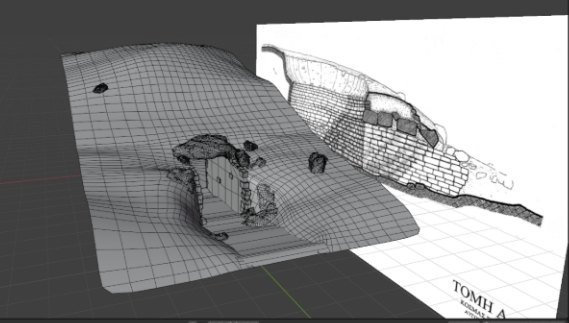
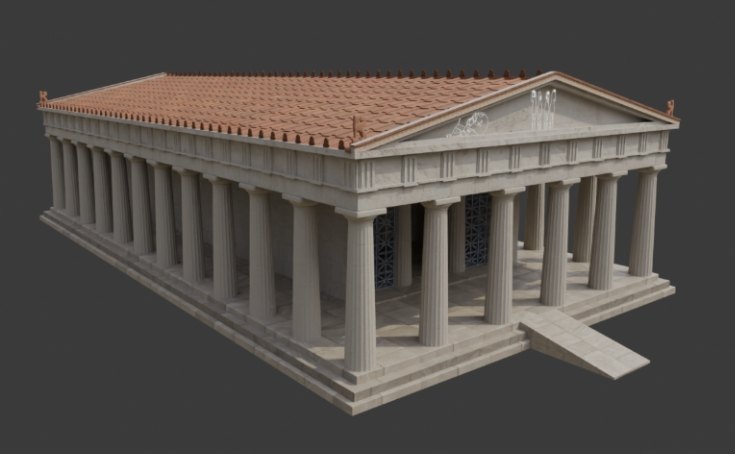
The research methodology involves the collection, evaluation, and processing of archaeological, historical, and architectural documentation, including archival sources, drawings, photographs, and existing research material. These resources provide the scientific foundation for developing accurate three-dimensional digital models and reconstructions of selected monuments, reflecting either their current condition or their historically documented architectural form.
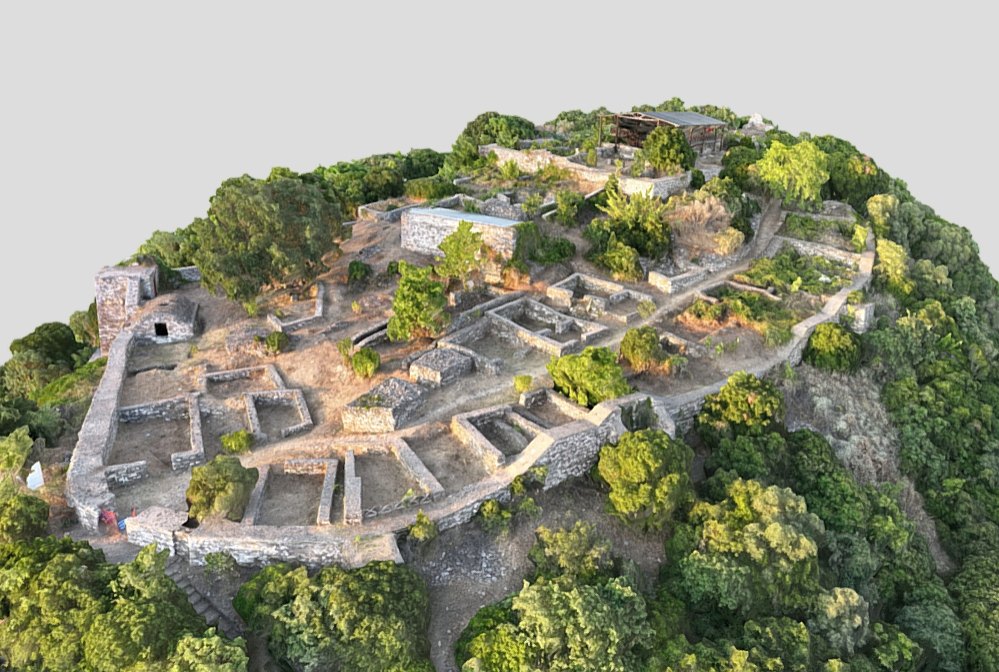
Particular emphasis is placed on the production of high-quality 3D models through advanced digital modelling, geometric optimisation, and photorealistic visualisation techniques. The resulting digital assets are designed to support interactive cultural heritage applications, virtual exploration, and digital dissemination platforms, enabling visitors to experience and understand monuments beyond the limitations of their physical location.
The project also explores the potential of digital technologies to enhance cultural accessibility and visitor engagement, providing new opportunities for educational, research, and tourism-related applications. Through digital representations, architectural and archaeological information can be communicated in an accessible and visually engaging manner, supporting a deeper understanding of the historical significance and spatial characteristics of the selected sites.
By integrating architectural research, archaeological documentation, and advanced digital technologies, the project aims to develop innovative approaches to cultural heritage interpretation and communication. Ultimately, it contributes to the digital preservation of Greece’s cultural heritage while promoting new forms of cultural engagement, knowledge dissemination, and sustainable cultural tourism.